 Image 1 of 1
Performance on Placement Guide for Student Paramedics
£8.00
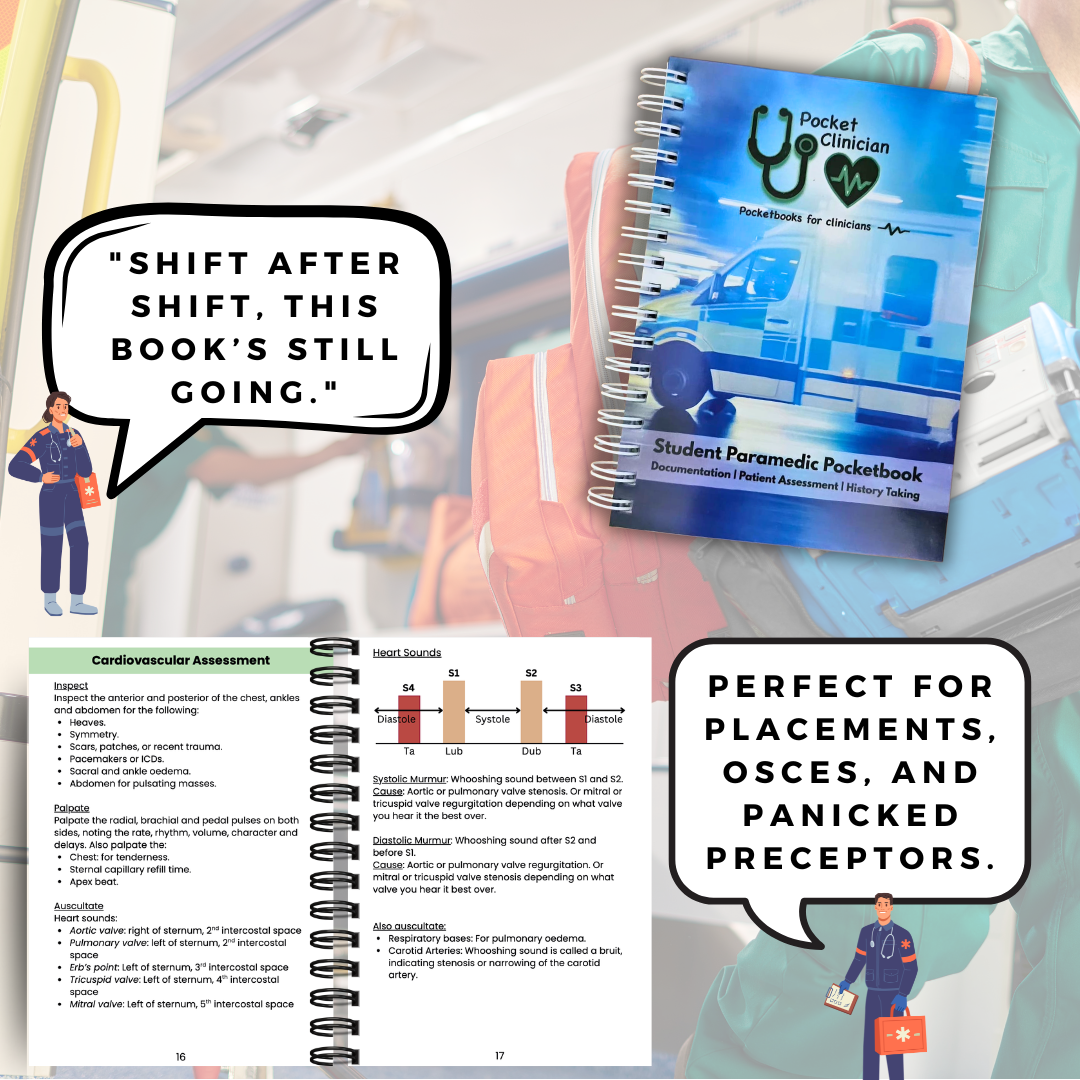
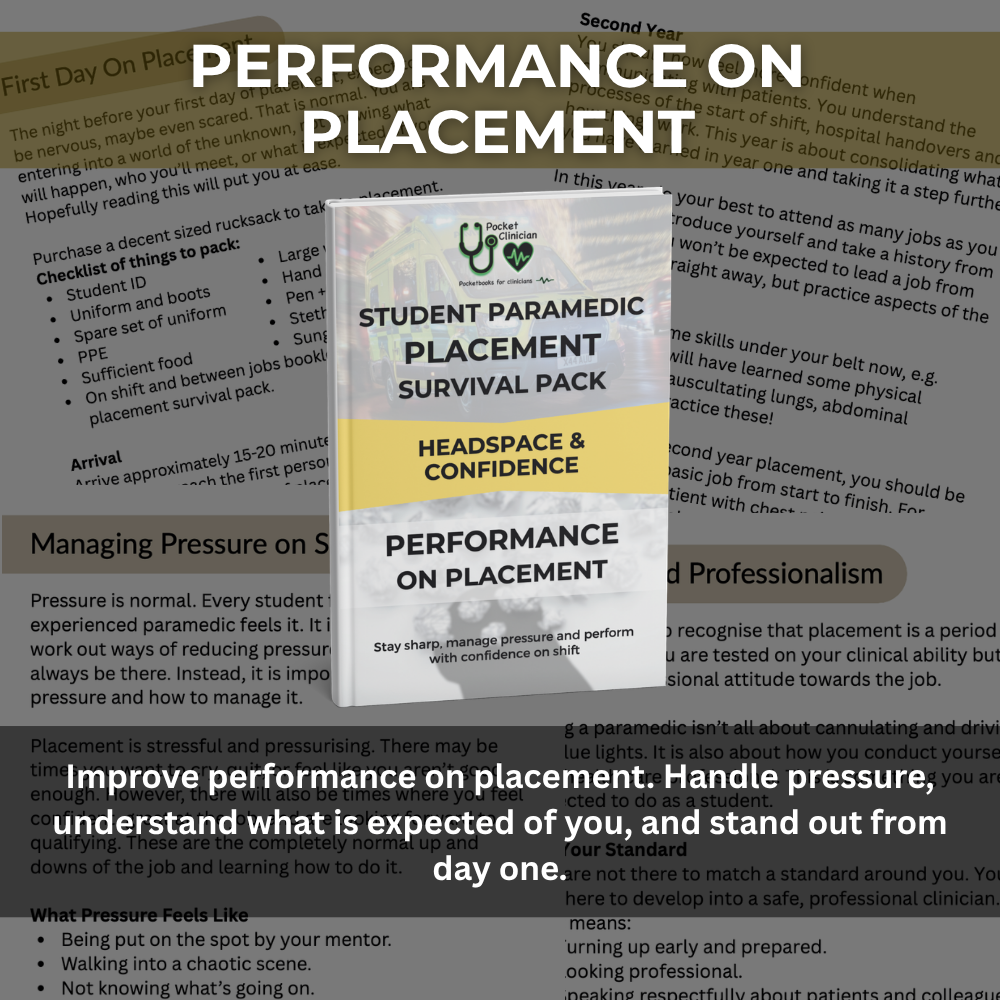
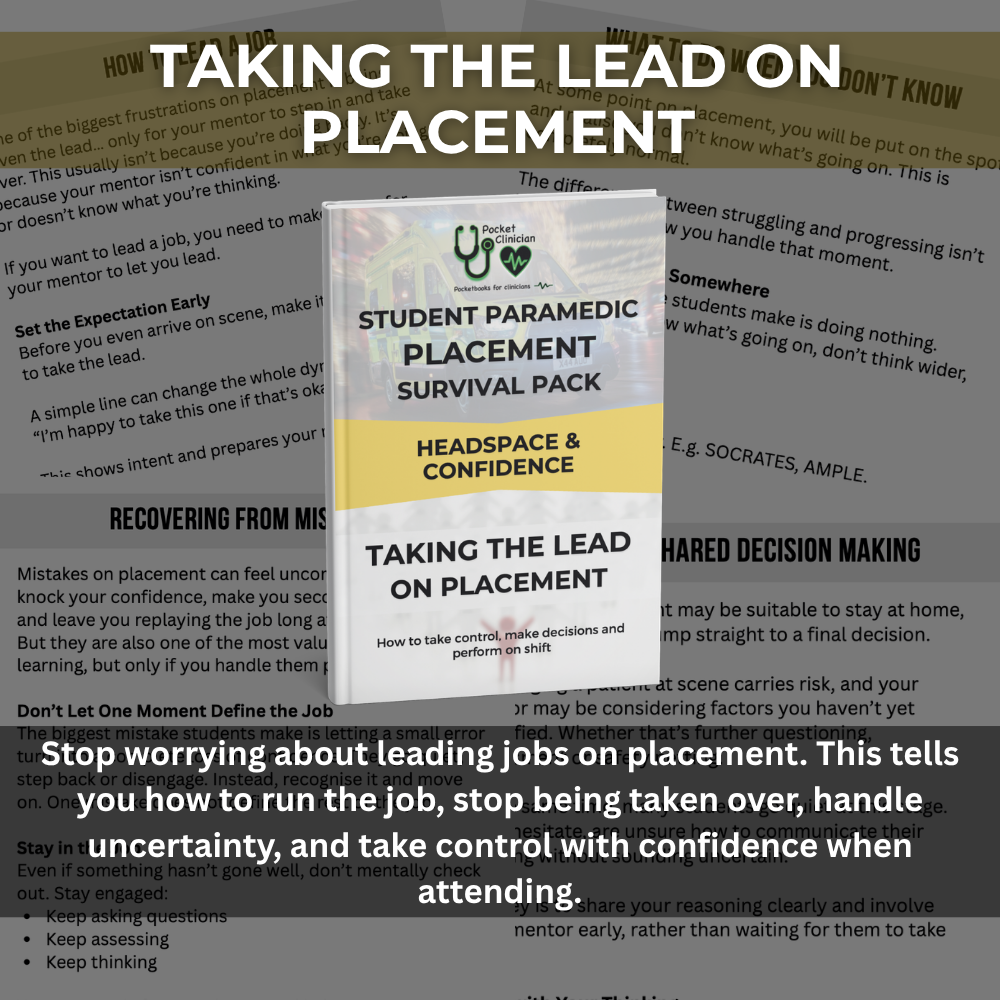
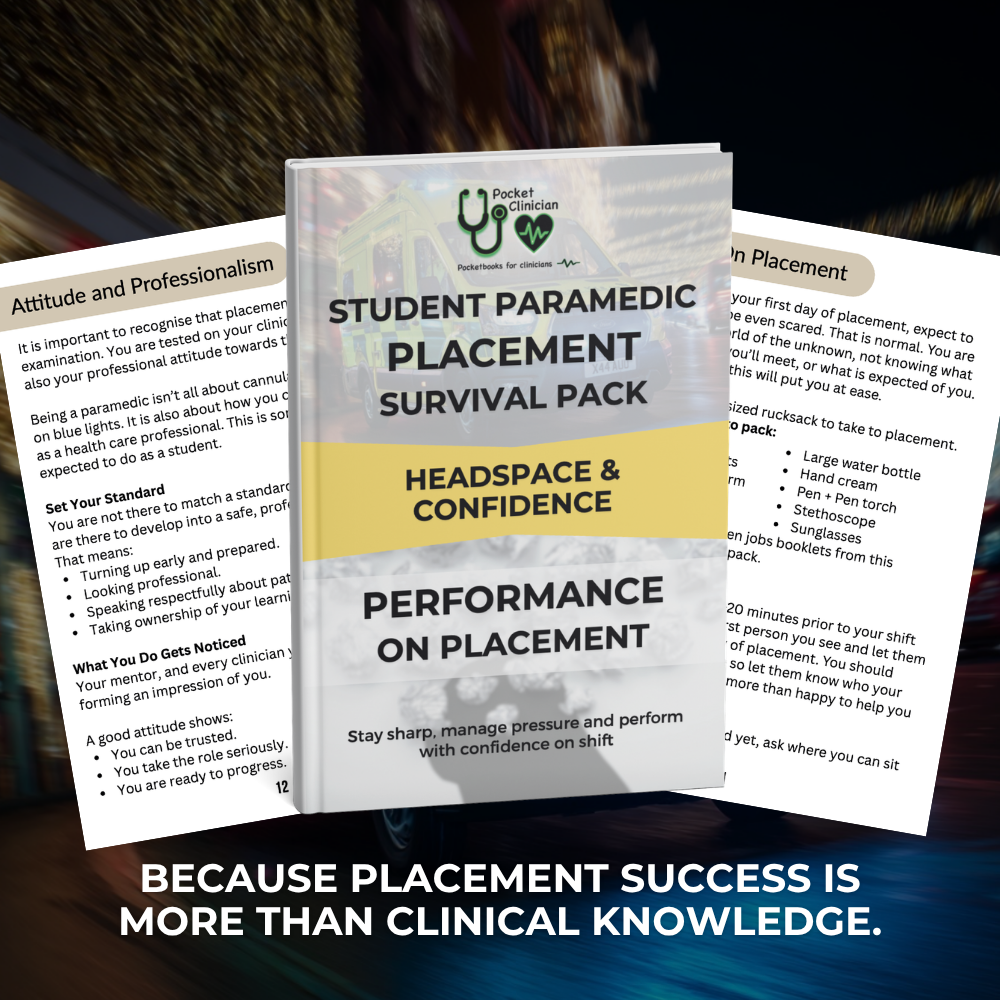
Ambulance placement can feel overwhelming, especially when you’re trying to balance clinical performance, confidence, professionalism, fatigue, and the pressure of constantly being assessed. The PocketClinician Performance on Placement Guide is designed specifically to help UK student paramedics perform better, feel more confident, and get more out of every shift.
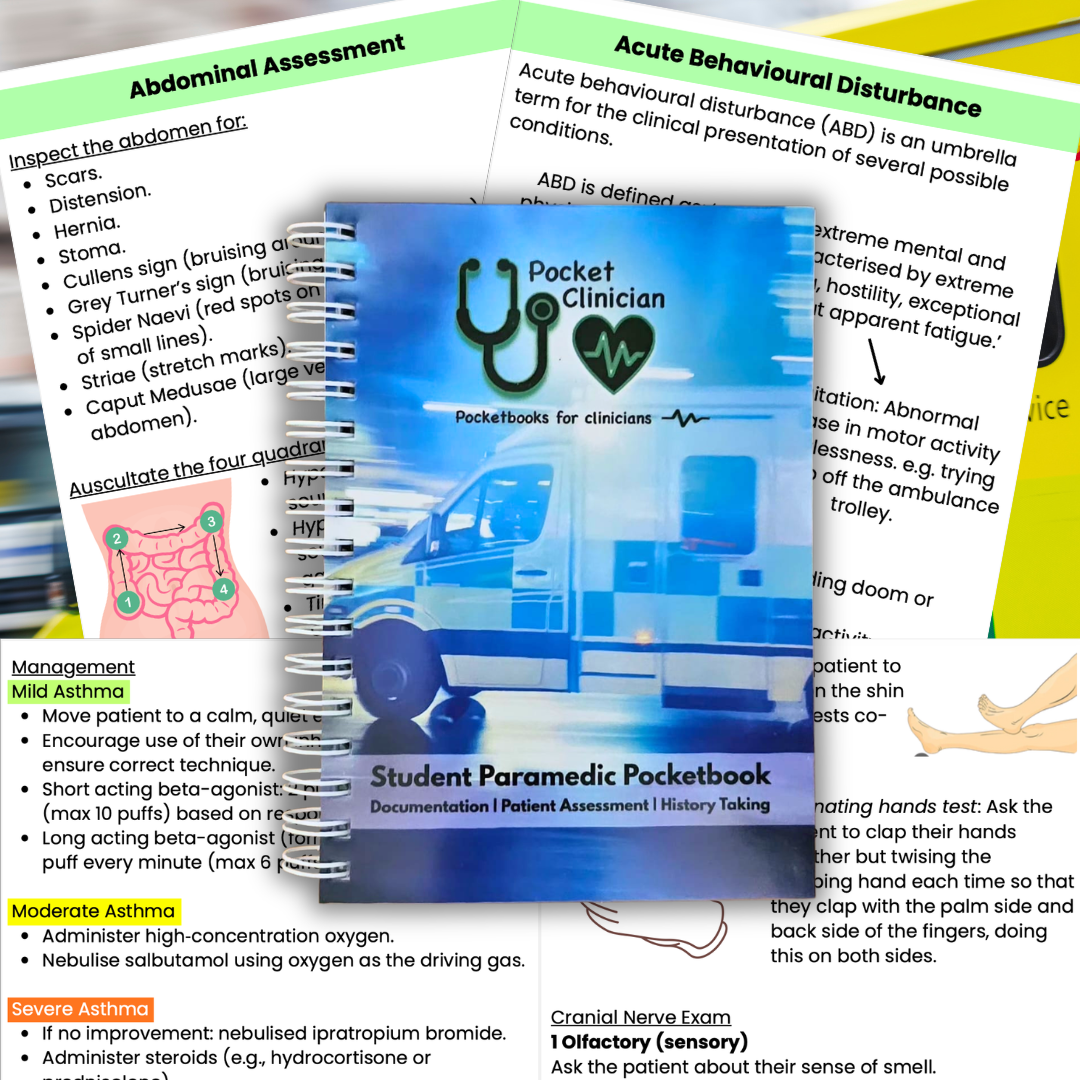
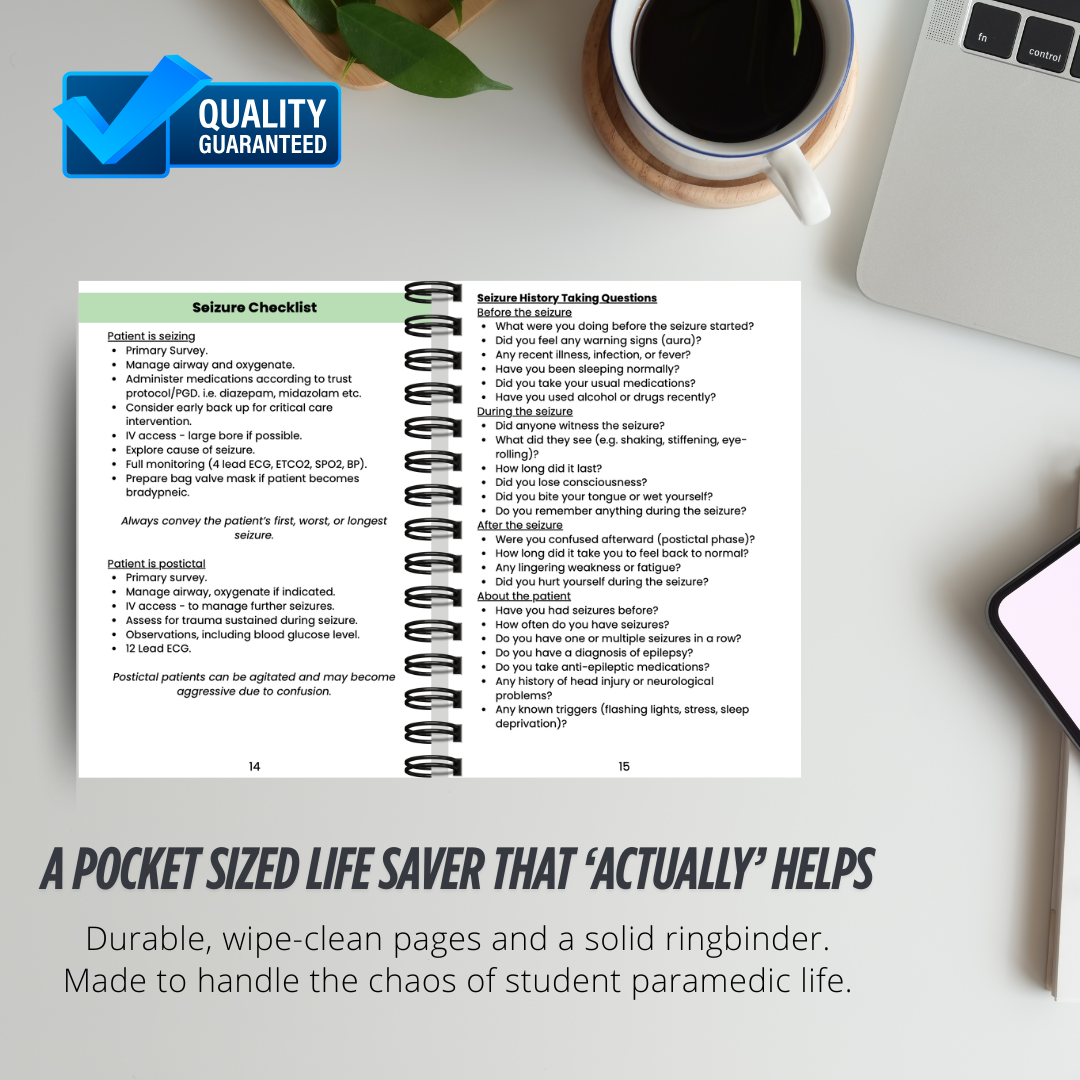
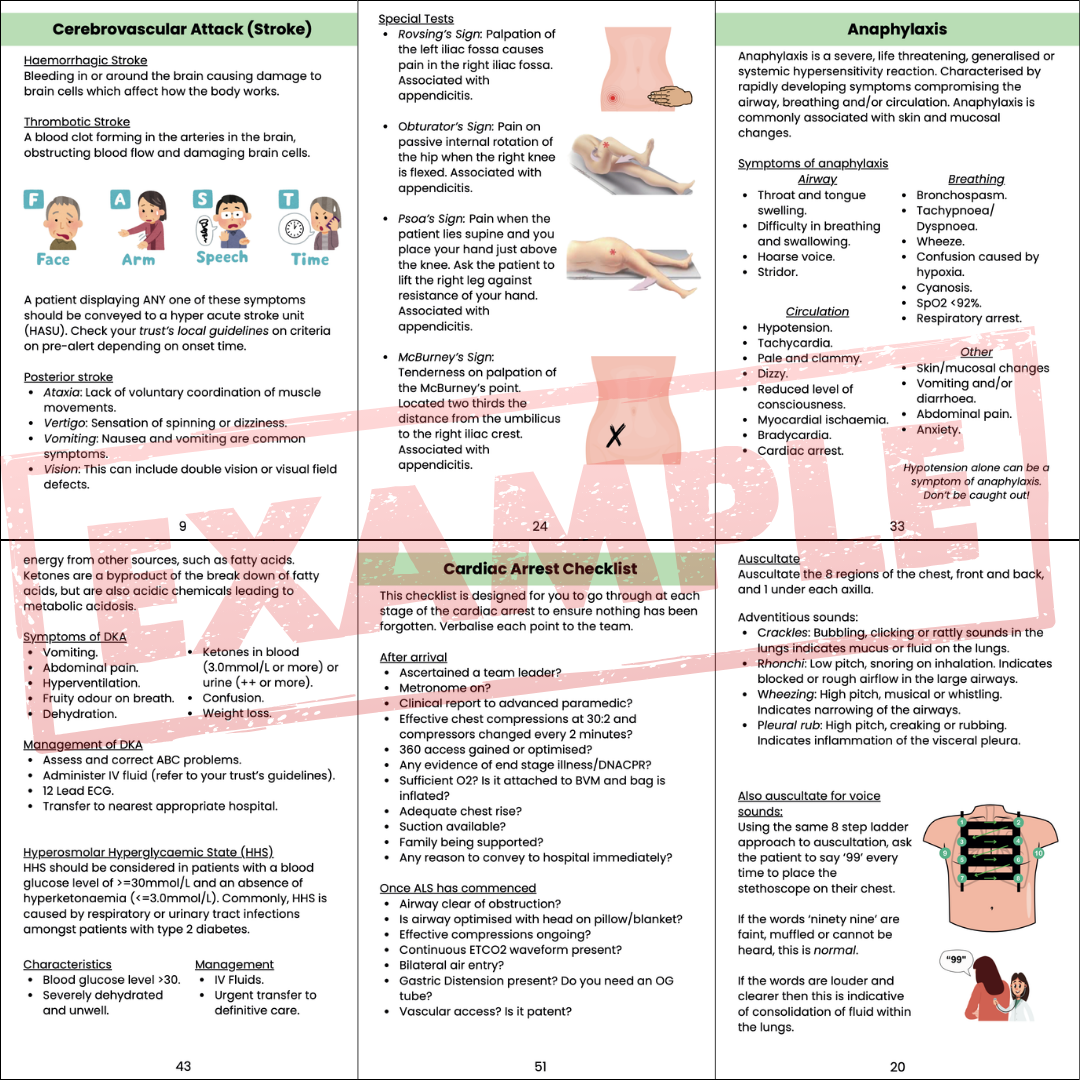
This pocket-sized A6 booklet delivers practical, real-world advice that students are rarely taught at university. Instead of focusing purely on theory, this guide shares frontline placement knowledge and professional behaviours that genuinely make a difference when working on the road.
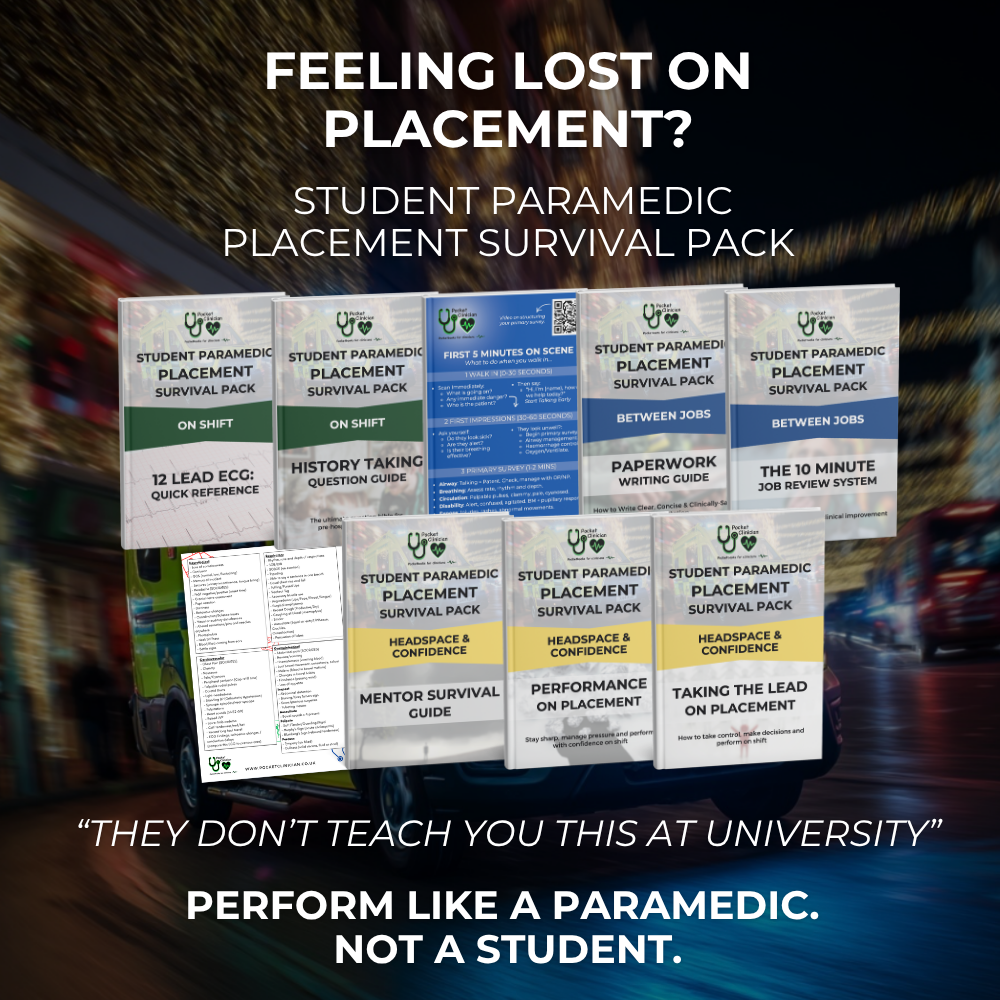
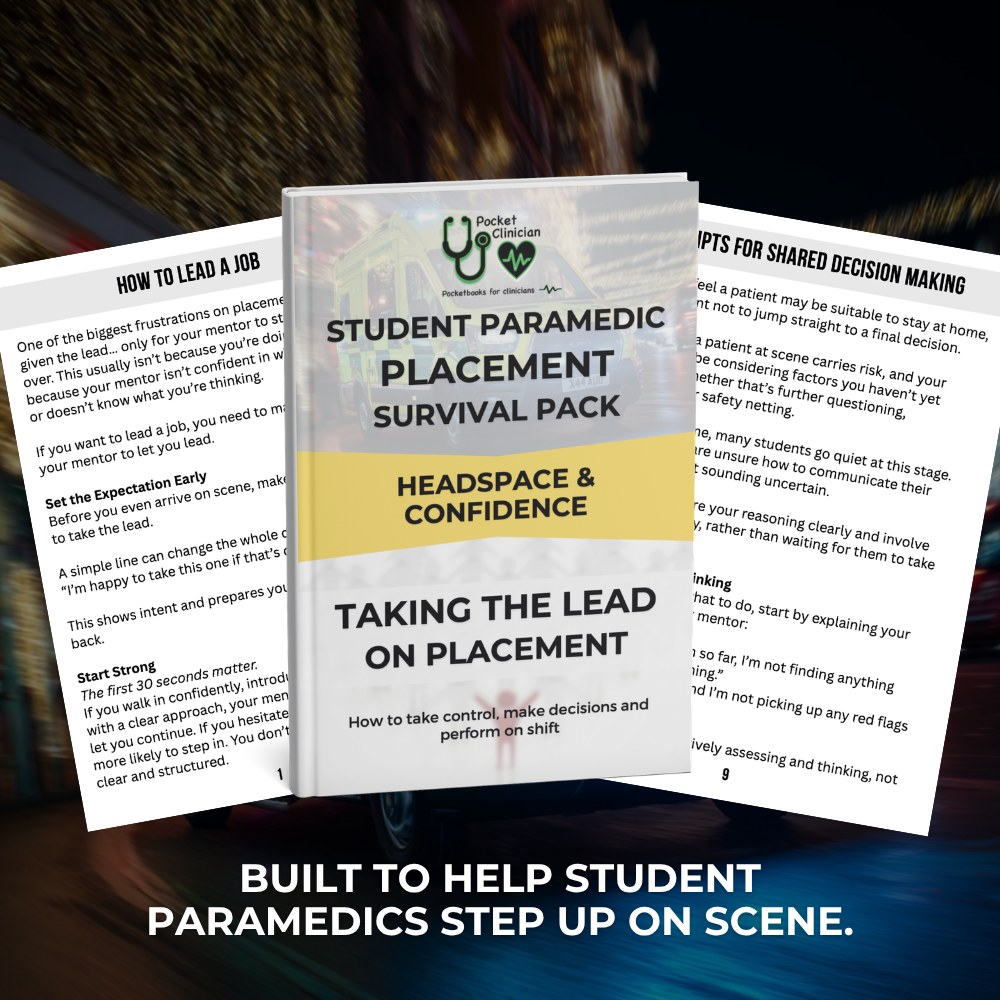
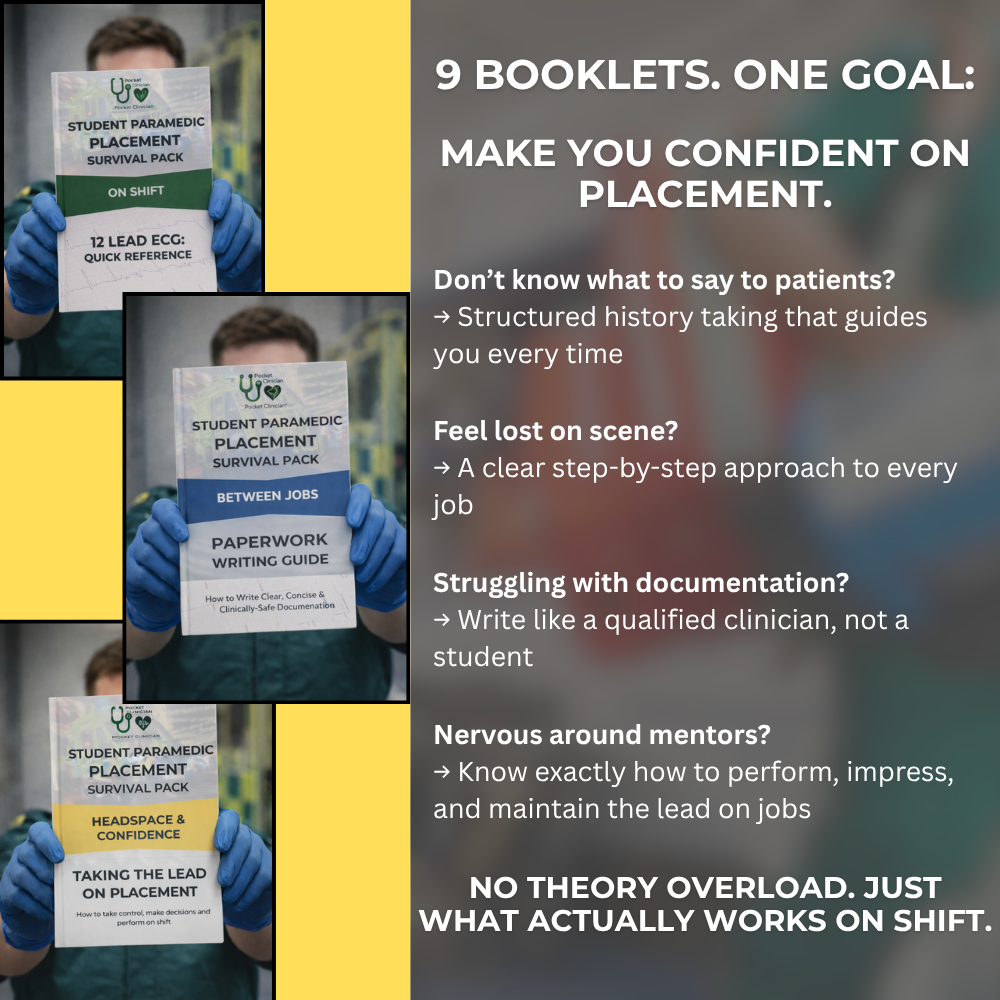
Part of the “Headspace and Confidence” section of the Placement Survival Pack, this guide is designed to be read both on shift and at home, helping you prepare mentally and professionally for ambulance placement.
Inside the guide, you’ll learn:
What to expect on your first day of placement
What mentors and clinicians actually expect from students
How to manage pressure on shift
Attitude and professionalism on ambulance placement
Coping with night shifts and fatigue
Looking after your mental health during placement
Many student paramedics struggle not because they lack knowledge, but because nobody explains the unwritten expectations of placement, how to handle stressful shifts, or how to carry themselves professionally in the ambulance environment. This guide helps bridge that gap.
Whether you’re anxious about fitting into the crew, worried about making mistakes, or trying to become more independent on shift, this booklet helps you approach placement with a clearer mindset and stronger confidence.
Perfect for:
Student paramedics
Ambulance placement preparation
Paramedic university students
Placement confidence building
Students struggling with placement anxiety
Ambulance clinicians mentoring students
This is the type of placement advice students often wish they had before their first shift, practical guidance built from real experience, not just classroom theory.
Ambulance placement can feel overwhelming, especially when you’re trying to balance clinical performance, confidence, professionalism, fatigue, and the pressure of constantly being assessed. The PocketClinician Performance on Placement Guide is designed specifically to help UK student paramedics perform better, feel more confident, and get more out of every shift.
This pocket-sized A6 booklet delivers practical, real-world advice that students are rarely taught at university. Instead of focusing purely on theory, this guide shares frontline placement knowledge and professional behaviours that genuinely make a difference when working on the road.
Part of the “Headspace and Confidence” section of the Placement Survival Pack, this guide is designed to be read both on shift and at home, helping you prepare mentally and professionally for ambulance placement.
Inside the guide, you’ll learn:
What to expect on your first day of placement
What mentors and clinicians actually expect from students
How to manage pressure on shift
Attitude and professionalism on ambulance placement
Coping with night shifts and fatigue
Looking after your mental health during placement
Many student paramedics struggle not because they lack knowledge, but because nobody explains the unwritten expectations of placement, how to handle stressful shifts, or how to carry themselves professionally in the ambulance environment. This guide helps bridge that gap.
Whether you’re anxious about fitting into the crew, worried about making mistakes, or trying to become more independent on shift, this booklet helps you approach placement with a clearer mindset and stronger confidence.
Perfect for:
Student paramedics
Ambulance placement preparation
Paramedic university students
Placement confidence building
Students struggling with placement anxiety
Ambulance clinicians mentoring students
This is the type of placement advice students often wish they had before their first shift, practical guidance built from real experience, not just classroom theory.